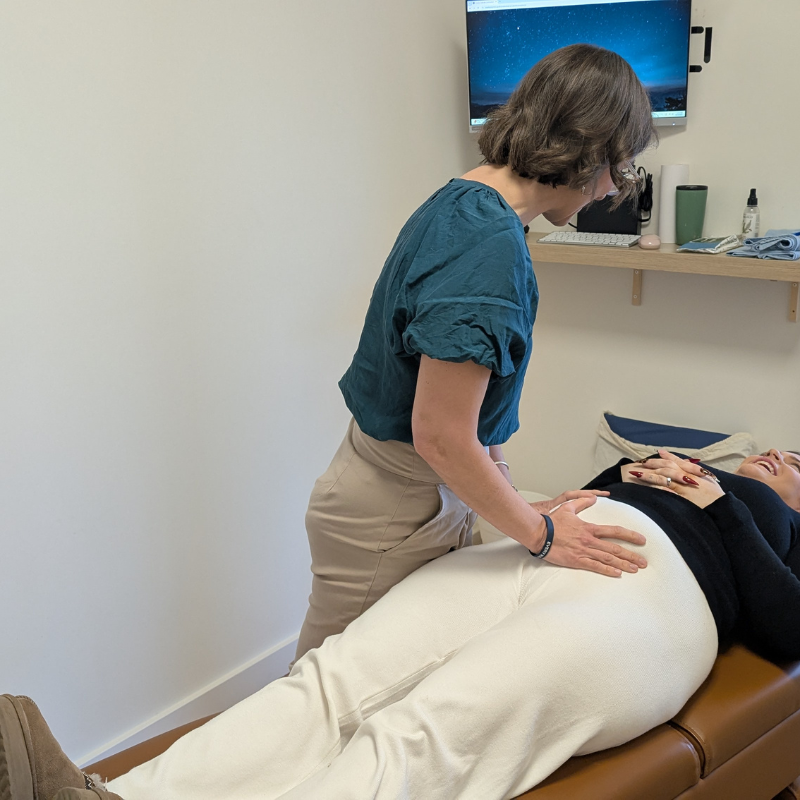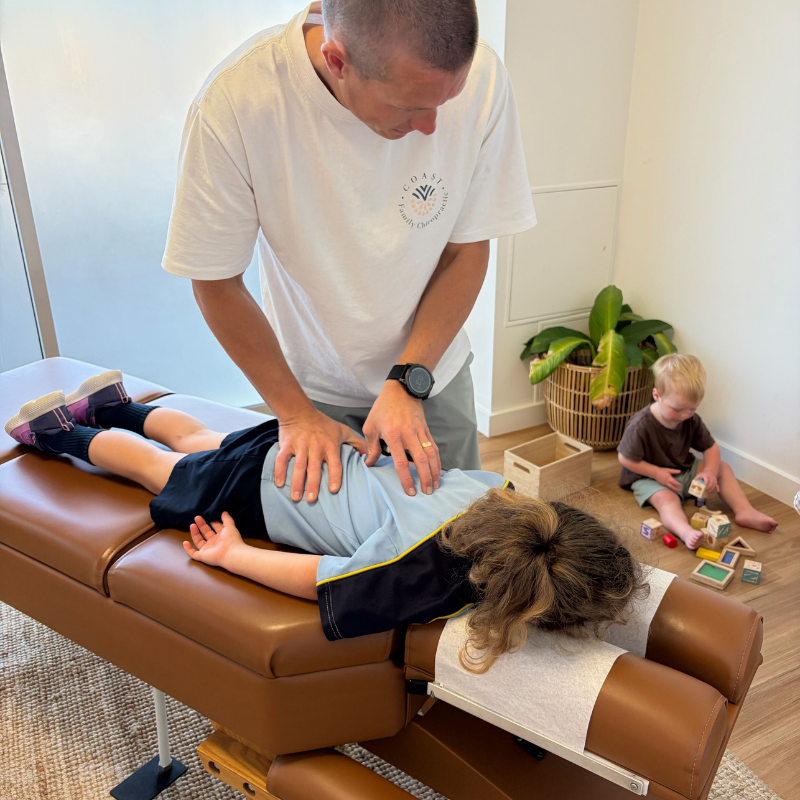
What if, instead of guessing why your child keeps getting sick, why your toddler’s meltdowns feel never-ending, or why you’re running on empty no matter how much sleep you get, instead, you could get a clearer picture of what’s going on?
Not a guess. Not just a symptom checklist. But objective insights into how your family’s bodies are responding to stress.
That’s exactly what Neurological INSiGHT Scans are designed to support. They offer an additional layer of understanding for families looking for answers.
Why the Nervous System Matters
Here’s something many parents don’t often hear: the nervous system plays a central role in how the body functions and responds to the world.
Sleep. Digestion. Movement. Stress responses. Emotional regulation.
It’s constantly working behind the scenes, helping the body adapt to everything from daily routines to bigger life stressors.
When the body is under ongoing stress, it can influence how these systems function. And sometimes, those changes can show up as things like disrupted sleep, low energy, or difficulty coping with day-to-day demands (McEwen, 2017).
That’s why looking at how the body is functioning, and not just what symptoms are showing up, can be helpful.
Three Scans, One Broader Picture
There are three different scans often used together, each offering a different piece of information:
NeuroThermal Scan
This scan looks at temperature patterns along the spine. These patterns can reflect how the body is regulating and responding through the autonomic nervous system. It’s gentle, non-invasive, and commonly used across all ages.
NeuroSpinal EMG Scan
This scan measures muscle activity along the spine. It can highlight areas of increased tension or imbalance, giving insight into how the body may be holding stress physically. Surface EMG is widely used in musculoskeletal assessment (De Luca, 2002).
Heart Rate Variability (HRV)
HRV looks at how the body adapts to stress, specifically, how easily it shifts between “go” and “recover” states. Lower HRV has been associated with higher stress load, although it can be influenced by many factors including lifestyle and overall health (Shaffer & Ginsberg, 2017).
Stress Doesn’t Skip Anyone
One of the most important things to understand is that these scans aren’t just for people with a diagnosis.
Everyone experiences stress and everyone’s body responds in its own way.
- For babies, this might look like unsettled sleep or feeding challenges
- For toddlers, it can show up as big emotions or sensitivity to change
- For school-aged kids and teens, it might be difficulty concentrating, feeling overwhelmed, or struggling to switch off
- For adults, it often shows up as fatigue, tension, headaches, or that constant feeling of being “on”
These are common experiences and they can have many different contributing factors. But understanding how the body is responding can be a helpful starting point.
Clarity Is a Great Place to Start
Many approaches to health focus on chasing symptoms and addressing each thing as it comes up.
Some families choose to take a step back and look at the bigger picture.
INSiGHT Scans don’t diagnose or replace medical care. But they can offer additional information about how the body is functioning and adapting, which may help guide next steps or conversations with your healthcare provider.
And when you have more clarity, it becomes easier to make informed decisions about what to do next.
Getting Started
If you’ve been wondering where to begin, speaking with your local chiropractic clinic can be a good first step to understand whether this type of assessment is appropriate for you or your family.
Because when it comes to your family’s health, having more information and the right support can make all the difference.
References
De Luca, C.J., 2002. Surface electromyography: Detection and recording. DelSys Incorporated.
McEwen, B.S., 2017. Neurobiological and systemic effects of chronic stress. Chronic Stress, 1, pp.1–11.
Shaffer, F. & Ginsberg, J.P., 2017. An overview of heart rate variability metrics and norms. Frontiers in Public Health, 5, p.258.
Australian Institute of Health and Welfare (AIHW), 2022. Australia’s children. Canberra: AIHW.