If your teen has been diagnosed with POTS — Postural Orthostatic Tachycardia Syndrome — you already know how quickly it can disrupt a young life.
One day they’re active, thriving and full of energy. Then suddenly, standing can send their heart racing. Getting through a school day can become difficult. Dizziness, fatigue, headaches and brain fog can make even everyday activities feel overwhelming.
For families, it can be incredibly frustrating — particularly when the focus becomes managing individual symptoms without really understanding the bigger picture of what’s happening within their child’s body.
Here’s what we think is important for parents to understand: POTS involves the autonomic nervous system.
And that makes the nervous system an important part of the conversation.
This article is for parents of teens and young adults who’ve been diagnosed with POTS — or who are watching their child struggle with unexplained dizziness, a racing heart, fatigue and brain fog — and want to better understand the neurological picture behind these symptoms.
POTS and the Autonomic Nervous System
POTS is a form of dysautonomia — a term used to describe disorders involving the Autonomic Nervous System (ANS).
The autonomic nervous system manages many of the functions we don’t consciously have to think about, including heart rate, blood pressure, digestion, temperature regulation and aspects of our stress response.
When we move from lying or sitting to standing, our body has to make rapid adjustments to maintain blood flow and blood pressure. The autonomic nervous system plays an important role in coordinating those changes.
In POTS, this process isn’t functioning as expected.
The condition is characterised by an excessive increase in heart rate after standing, alongside symptoms that may include:
- Dizziness or light-headedness
- Heart palpitations or a racing heart
- Fatigue
- Brain fog and difficulty concentrating
- Headaches
- Exercise intolerance
- Gastrointestinal symptoms
- Temperature sensitivity
- Sleep disturbances
For some young people, these symptoms can significantly affect school, sport, social activities and everyday life.
And importantly, these symptoms aren’t simply “in their head”. There are genuine physiological changes occurring within the body’s autonomic regulation.
The Vagus Nerve and Autonomic Regulation
One part of the nervous system we’re particularly interested in at Coast Family Chiropractic is the vagus nerve.
The vagus nerve is one of the major communication pathways between the brain and the body. It contributes to parasympathetic nervous system activity and is involved in the regulation of functions including heart rate and digestion.
The autonomic nervous system is constantly working to maintain balance between different physiological demands.
The sympathetic nervous system helps mobilise the body for activity and stress — often described as our “fight or flight” response.
The parasympathetic nervous system is more closely associated with rest, digestion, recovery and regulation.
Neither is “good” or “bad”. We need both.
What matters is the nervous system’s ability to appropriately shift between them and adapt to changing demands.
Because POTS involves autonomic dysfunction, understanding patterns of autonomic regulation can provide useful context when looking at the broader neurological picture.
Looking at the Bigger Picture
POTS doesn’t always have one simple explanation.
Symptoms can develop following different circumstances, and researchers continue to investigate the mechanisms and different subtypes involved.
For some people, symptoms appear following a viral illness or other significant physiological stress. POTS can also occur alongside other conditions, and individual experiences can vary considerably.
From a neurologically focused chiropractic perspective, we’re interested in something slightly different:
What does this child’s overall history tell us about how their nervous system has been adapting to stress?
That means looking beyond the moment symptoms appeared and considering their broader neurological and developmental history.
We may explore factors such as:
- Their birth and early developmental history
- Previous illness or periods of significant physiological stress
- Physical stress and injury
- Sleep and recovery
- Emotional and environmental stress
- Patterns of sensory sensitivity or nervous system regulation
- When symptoms first appeared and what was happening around that time
No single item tells us why a young person has developed POTS.
But taken together, their history can help us understand the broader context in which their nervous system is functioning today.
Symptom Management Isn’t the Whole Picture
Strategies such as hydration, electrolyte intake, increasing dietary salt when clinically appropriate, compression garments, graded movement and changing positions carefully may form part of POTS management.
For many young people, these strategies can be important.
But as neurologically focused chiropractors, we’re also interested in what can be learned by assessing neurospinal and nervous system function.
Rather than asking only:
“What can we do when the heart starts racing?”
we’re also interested in:
“What patterns are present in this person’s nervous system and how well is that system adapting to everyday demands?”
That’s a different question — and it’s where our chiropractic assessment begins.
A Neurological Lens
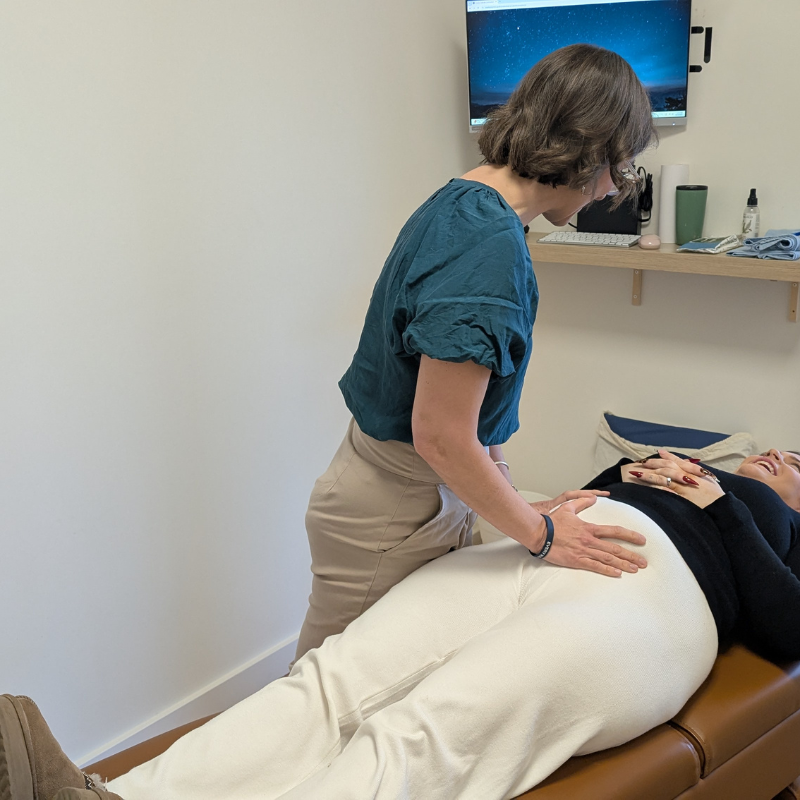
At Coast Family Chiropractic, our approach starts with a detailed history, chiropractic examination and Neurological INSiGHT Scans.
The INSiGHT scanning technology we use can provide information about patterns associated with autonomic activity, temperature and muscle activity along the spine.
Depending on the assessment, this may include:
- Heart Rate Variability (HRV) — providing information about variation in the timing between heartbeats and autonomic activity
- Surface electromyography (sEMG) — measuring patterns of muscle activity along the spine
- NeuroThermal scanning — measuring temperature patterns along the spine
These scans don’t diagnose POTS, and they aren’t used to determine the medical cause of a young person’s symptoms.
Instead, they give us additional information about patterns of nervous system and neurospinal function that we consider alongside their history and chiropractic examination.
This helps us determine whether chiropractic care may be appropriate and, where it is, develop an individualised care plan based on the person’s assessment findings.
Where Chiropractic Care Fits
Neurologically Focused Chiropractic Care doesn’t seek to treat or cure POTS.
Our focus is the neurospinal system.
Within chiropractic, we use the term subluxation to describe changes in neurospinal function that may influence the way the nervous system processes and responds to information.
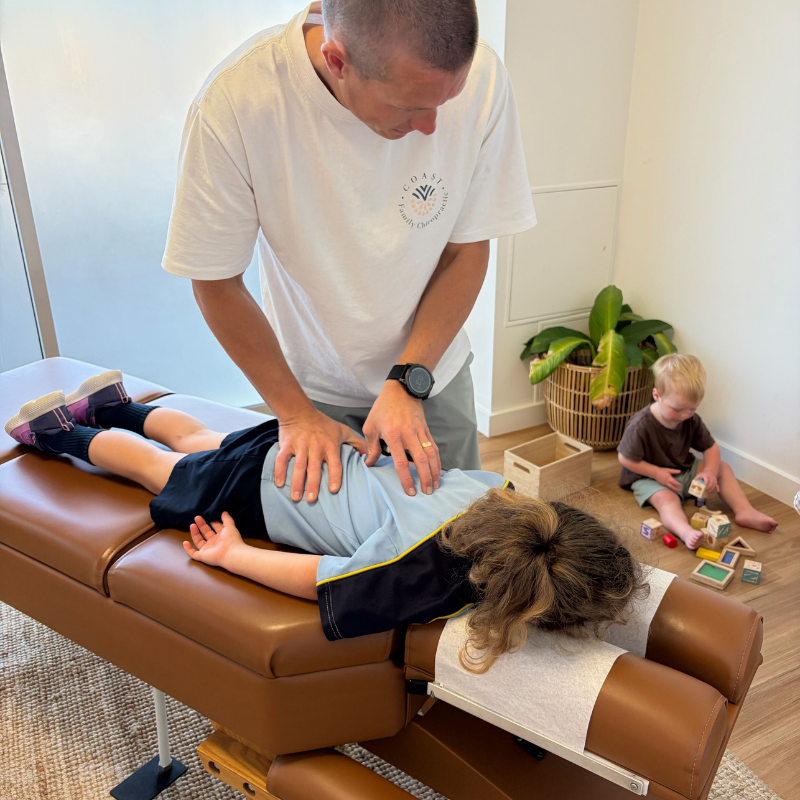
Where chiropractic care is appropriate, gentle and specific adjustments may be used as part of an individualised care plan focused on neurospinal function.
We can also repeat aspects of the assessment over time to observe changes in the measures we’re tracking rather than relying solely on how someone feels on a particular day.
And the everyday foundations still matter.
Hydration, nutrition, quality sleep, appropriate movement and other strategies recommended for an individual’s POTS management can remain important. Looking at neurospinal function doesn’t mean abandoning the things that are already supporting them.
It’s simply another part of the picture.
Your Child Is More Than Their POTS Symptoms
When a teenager or young adult who was previously active and independent suddenly finds everyday activities difficult, it can affect the whole family.
And it’s understandable to keep asking questions.
Why is their body responding this way?
What does their nervous system look like under stress?
Are there patterns in their neurospinal function that we can identify?
How well is their nervous system adapting?
At Coast Family Chiropractic, these are the questions we’re interested in exploring.
If your teen or young adult is living with POTS and you’d like to better understand their neurospinal and nervous system function, contact the Coast Family Chiropractic team to arrange an initial consultation and neurological assessment.
Because when the autonomic nervous system is part of the picture, we think it’s worth looking at the nervous system too.