If you’re raising a child who is highly sensitive to sound, touch, light or busy environments, you probably know this feeling well.
A trip to the supermarket becomes overwhelming.
The vacuum cleaner comes on and your child covers their ears.
Certain clothing feels unbearable.
Birthday parties, busy restaurants or school assemblies can quickly become too much.
For many families, it’s not just the meltdowns that are difficult.
It’s watching everyday family experiences become harder than they seem to be for everyone else.
If this sounds familiar, you’re not alone.
Understanding Sensory Differences
Every child experiences the world differently.
Some children are naturally more sensitive to sounds, movement, textures or visual stimulation than others.
For children with sensory processing differences, the brain may respond differently to sensory information, making everyday experiences feel more intense or more difficult to organise.
This isn’t about a child being “naughty” or “attention seeking.”
It’s about understanding how their nervous system is processing the information it receives.
Looking Beyond Behaviour
When children become overwhelmed by sensory input, the behaviours we see—covering ears, avoiding situations, emotional outbursts or withdrawal—are often responses to feeling overloaded.
Rather than focusing only on the behaviour, it can be helpful to ask:
What might this child’s nervous system be experiencing right now?
That question often opens the door to a more supportive and compassionate approach.
Every Child’s Journey Is Different
Many parents tell us they have tried multiple approaches, including occupational therapy, speech pathology, psychology, changes at school and strategies at home.
These supports can be incredibly valuable.
Sometimes families also choose to explore how their child’s nervous system is functioning as part of a broader picture.
Children’s responses to sensory experiences are influenced by many factors, including:
- developmental differences
- temperament
- sleep quality
- emotional wellbeing
- physical health
- life experiences
- family environment.
From a chiropractic perspective, we also consider how spinal function and nervous system regulation may influence a child’s ability to adapt to everyday sensory input.
Understanding the Nervous System
The nervous system constantly receives, organises and responds to information from the environment.
It helps us interpret sounds, movement, touch, balance and body awareness.
For some children, processing all of this information appears to require much more effort.
When a child is already working hard to interpret their environment, busy or unpredictable situations may become overwhelming more quickly.
This doesn’t mean their nervous system is “broken.”
It means their capacity to adapt may be under greater demand.
A Broader View of Sensory Regulation
There is rarely one explanation for why a child experiences sensory challenges.
Research suggests that genetics, neurodevelopment, early life experiences, environment and individual differences all contribute.
Rather than looking for a single cause, we consider how multiple influences may shape how each child’s nervous system responds to the world around them.
How We Assess Nervous System Function
At Coast Family Chiropractic, we use INSiGHT Scans as part of a broader chiropractic assessment.
These include:
Heart Rate Variability (HRV)
Provides information about autonomic nervous system adaptability and physiological regulation.
Surface EMG
Measures muscle activity alongside the spine and provides information about muscle activation patterns.
NeuroThermal Scanning
Measures patterns of skin temperature alongside the spine that may provide additional information about autonomic nervous system activity.
These scans do not diagnose sensory processing disorders or other medical conditions.
Instead, they provide additional information about nervous system function that is considered alongside a child’s history and clinical examination.
What Families Often Notice
Every child responds differently to care.
Some families report changes such as:
- improved relaxation
- greater comfort in everyday environments
- better sleep
- improved ability to cope with change
- increased participation in family activities.
These experiences vary between individuals and should not be expected in every case.
The goal of care is to support nervous system adaptability, not to treat or cure sensory processing disorders.
Supporting Your Child
If your child finds everyday sensory experiences overwhelming, know that you are not alone.
Looking at how their nervous system is functioning may provide another perspective alongside the supports you’re already using.
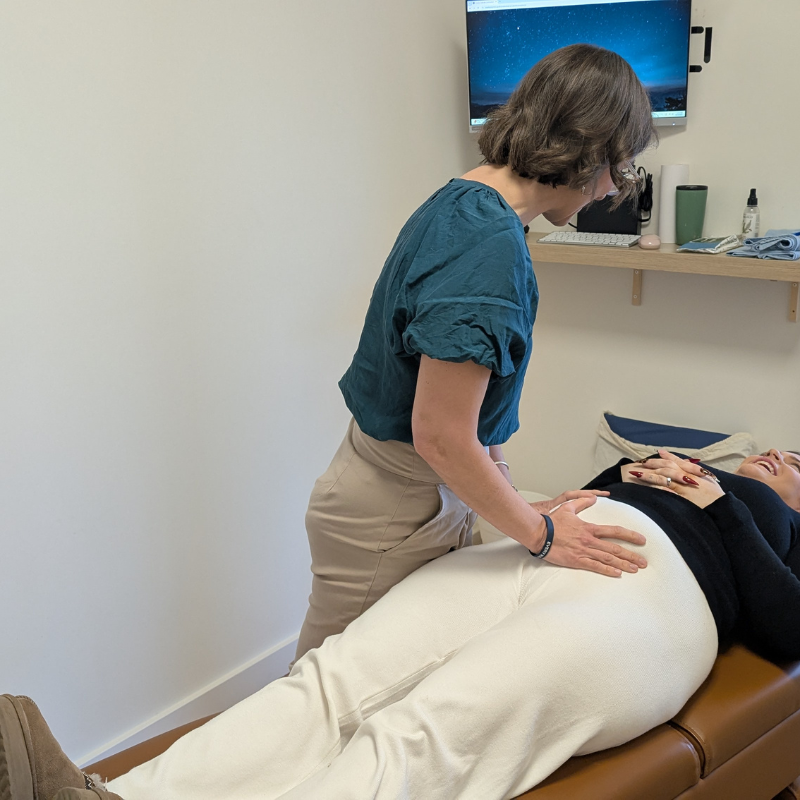
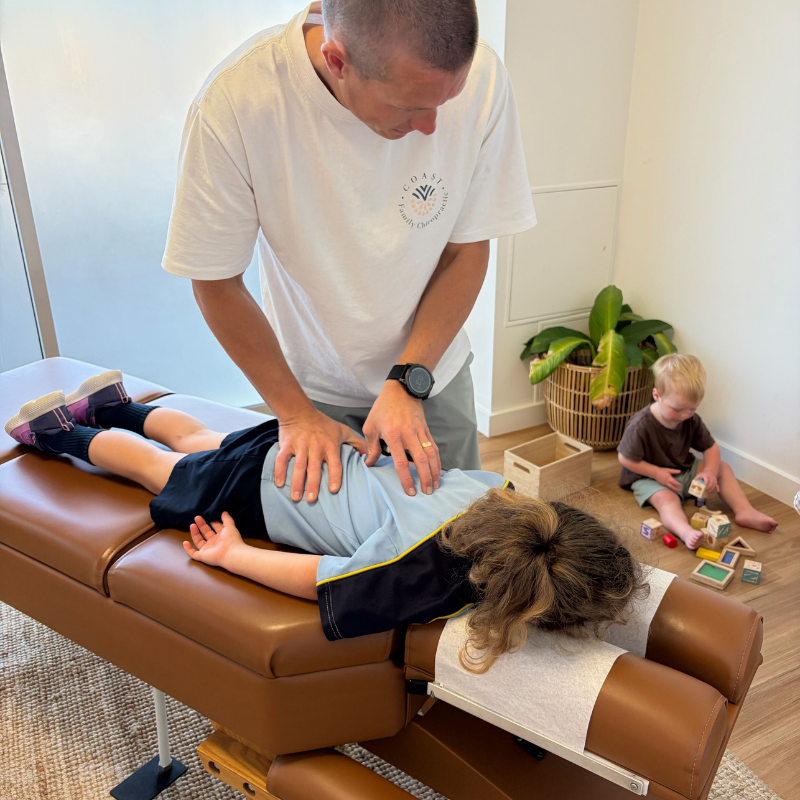
At Coast Family Chiropractic, we use INSiGHT Scans and gentle chiropractic care to assess and support nervous system function as part of an individualised approach.
If you’d like to learn more, we’d love to talk with you.sment may be appropriate.y. It is more understanding, support, and awareness during a very important season of life.