Let me guess — you got maybe five or six hours of sleep last night. And even then, it didn’t feel particularly restorative.
Your energy levels sit somewhere between “just getting through the day” and “is it too late for another coffee?”. You’ve tried supplements. You’ve adjusted your diet. Maybe you’ve explored functional medicine testing, hormone support, or invested in wellness therapies — and yet you still wake up tired.
You feel short-tempered over small things. You feel like you’re running at 60% on your best days.
Here’s something important to hear: while feeling exhausted has become common, it doesn’t mean it’s something you simply have to accept.
Common Doesn’t Mean Normal
Many adults live with ongoing health concerns such as fatigue, anxiety, low mood, hormonal imbalances, or difficulty concentrating. These experiences are widespread — but that doesn’t mean they’re inevitable or insignificant.
When people have tried “all the right things” and still feel unwell, it can be frustrating and disheartening. Often, it’s not about finding another supplement or protocol — it’s about understanding whether the body’s underlying regulatory systems are under strain.
One key system involved in energy, recovery, and resilience is the nervous system.
Why So Many Approaches Fall Short
Think about your body like a house. You can repaint the walls, replace the furniture, and upgrade appliances — but if the foundation is unstable, things still don’t function the way they should.
Your nervous system acts as that foundation. It coordinates sleep, digestion, hormone signalling, immune responses, and how you respond to stress. When it’s under constant pressure, even supportive lifestyle changes may not land the way you expect.
The Nervous System and Energy Regulation
Your nervous system has two main branches that work together:
- The sympathetic nervous system — often described as “fight or flight”, helping you respond to stress and demands
- The parasympathetic nervous system — often referred to as “rest and digest”, supporting recovery, repair, and regulation
In a well-regulated system, these two states shift fluidly. You meet challenges when needed, then return to rest and recovery.
However, prolonged stress can keep the system in a heightened, alert state for extended periods of time.
The Perfect Storm – How Chronic Stress Accumulates
For many parents, this doesn’t happen overnight. It often builds gradually through:
- Pregnancy and birth experiences that were physically or emotionally demanding
- Extended periods of disrupted sleep
- Ongoing mental load and hypervigilance
- Physical demands of parenting
- Work, financial, and relationship pressures
- Caring for children while also supporting ageing parents
Over time, the nervous system can adapt to this constant demand by staying “on” more often than not. This may affect how well the body rests, digests, repairs, and restores energy.
When You’re Worn Out and Wired at the Same Time
When the nervous system struggles to regulate effectively, people may experience patterns such as:
- Feeling exhausted but having difficulty sleeping
- Feeling anxious or on edge while also struggling to focus
- Digestive discomfort including bloating, reflux, or constipation
- Frequent illness or slower recovery
- Reduced emotional tolerance and resilience
- Ongoing difficulty maintaining energy despite lifestyle changes
These experiences don’t always show up clearly on blood tests — because they relate to regulation, not just chemistry.
Subluxation: Looking Beneath the Surface
From a chiropractic perspective, ongoing stress and physical strain can be associated with areas of tension or imbalance within the spine and nervous system. These areas — sometimes referred to as subluxations — may influence how effectively the nervous system communicates and adapts.
This doesn’t mean something is “broken”, but rather that the system may be working harder than it needs to.
Why Testing Doesn’t Always Provide Clear Answers
Standard medical testing is excellent for identifying disease and pathology. Functional testing can offer further insight into biochemical patterns. However, neither directly measures how well the nervous system is regulating stress and recovery.
Because the nervous system coordinates many other systems, challenges with regulation may exist even when test results appear “within range”.
Assessing Nervous System Function
Some chiropractic practices use non-invasive nervous system assessments — such as INSiGHT Scans — to gain additional information about how the nervous system is responding to stress.
These scans may look at:
- Autonomic balance
- Muscle tension patterns
- Heart rate variability, which reflects adaptability and recovery capacity
The information gathered helps guide gentle, individualised care and is used alongside — not instead of — appropriate medical advice.
Supporting Regulation and Recovery
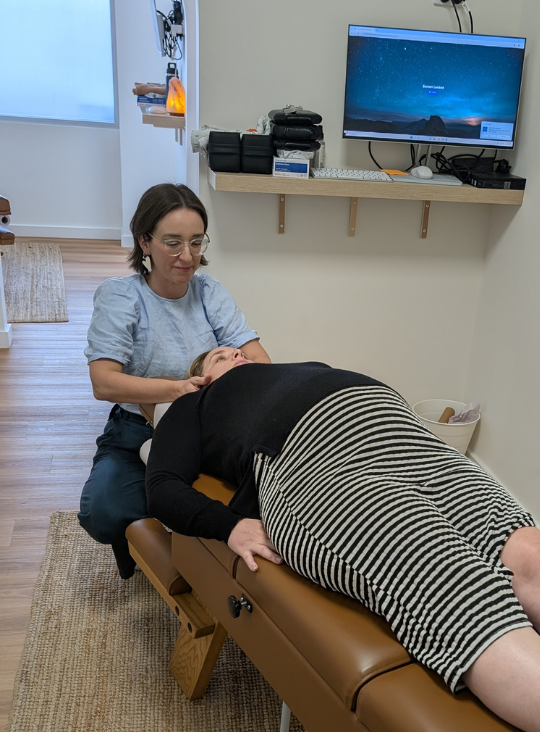
- Neurologically-focused chiropractic care aims to support the nervous system by identifying areas of tension and providing gentle, specific adjustments. The goal is to help improve the body’s ability to regulate, adapt, and recover from ongoing stress.
- Care is not about “fixing” or guaranteeing outcomes, but about supporting the nervous system so other health strategies can work more effectively.
What Many People Notice Over Time
As nervous system regulation improves, some people report changes such as:
- Improved sleep quality
- More settled digestion
- Better stress tolerance
- Improved emotional regulation
- Gradual improvements in energy and resilience
Responses vary from person to person, and care is always tailored to the individual.
This Isn’t About Doing More
You don’t need another routine to add to an already full plate. Sometimes, it’s about addressing the underlying systems that allow everything else to function properly.
If you’re curious about whether nervous system-focused care may be appropriate for you, you’re welcome to contact Coast Family Chiropractic for a consultation. If you’re not local, the PX Docs directory can help you find a practitioner nearby.
Feeling constantly exhausted doesn’t mean you’re failing — and it doesn’t have to be your baseline. Your body is designed to do more than just get through the day.