You’ve tried everything. Earlier bedtimes. Blackout curtains. Melatonin. White noise machines. Strict routines. You’ve read the books, followed the advice, and done everything the experts recommend. And still, your child is wide awake at 10 p.m., staring at the ceiling, exhausted but alert.
If this is your family right now, here’s something important to understand: you are not failing at bedtime. Your child is not being difficult.
What you may be seeing is a nervous system that’s “stuck.” While routines, supplements, and blackout curtains can help, they may not fully address underlying nervous system factors that make it difficult for some children to drift off.
Did You Know?
Around 40% of Australian children aged 5–12 aren’t getting the recommended amount of sleep, according to the Sleep Health Foundation. That’s almost half of kids starting their day running on empty.
Sleep Is Not Just Rest – Here’s What It’s Actually Doing
Most parents think of sleep as downtime. In reality, sleep is one of the most productive periods of your child’s day. While your child sleeps, their body and brain are working hard:
- The brain sorts and consolidates everything they learned that day, strengthening neural connections and filing away memories.
- Growth hormone peaks during deep sleep, supporting development.
- The immune system produces infection-fighting cells, which is why sleep-deprived kids seem to get sick more often.
- The brain processes emotions during REM cycles, helping regulate mood and behaviour.
- The body repairs tissue, balances hormones, and restores energy reserves for the day ahead.
Sleep isn’t a luxury, it’s the foundation everything else is built on. When your child doesn’t sleep, nothing else works quite as it should.
The Nervous System and Sleep
Here’s what many sleep guides get wrong: they treat sleep as a habit problem when it’s often a nervous system challenge.
Your child’s nervous system has two main modes:
- The “gas pedal” — the sympathetic nervous system, which drives alertness and the fight-or-flight response.
- The “brake pedal” — the parasympathetic nervous system, which signals rest, recovery, and sleep.
Sleep only happens when the brake can override the gas pedal. Sometimes, this balance is disrupted, by stress, early life factors, or other influences on nervous system development and your child can stay “wired” even when completely exhausted.
How “The Perfect Storm” Can Build From The Very Beginning
For many children with sleep challenges, stress and nervous system dysregulation can start long before they even talk. We sometimes call this accumulation of factors “The Perfect Storm.”
During Pregnancy
Maternal stress can influence an infant’s developing stress response. Research shows that high stress levels during pregnancy may alter the baby’s nervous system and reactivity to stress (Weiss et al. 2024)..
Around Birth
Interventions such as inductions, forceps, vacuum-assisted deliveries, or C-sections can affect early nervous system development in some infants. Stressful births may influence early regulation of the autonomic nervous system, which plays a key role in sleep and emotional processing.
Early Childhood
Stressors continue to accumulate: antibiotic use, chronic reflux, constipation, and frequent illness can all place extra demands on a developing nervous system. Sleep difficulties often appear as the first signal that the system is struggling.
What Happens When Sleep Challenges Persist
Chronic sleep difficulties don’t just make children tired, they can affect every part of their development:
- Behaviour and attention may mimic ADHD-like symptoms -hyperactivity, impulsivity, and poor focus can be signs of exhaustion rather than intentional behaviour.
- The immune system may not function optimally, contributing to repeated illness and ongoing stress on the body.
- Memory consolidation can break down, making learning and schoolwork feel overwhelming.
- Emotional regulation can suffer, so meltdowns and mood swings may be more about nervous system depletion than attitude.
Persistent sleep problems are linked to increased risk of low mood and anxiety, as the body and brain struggle to process normal emotional challenges.
Supporting Your Child’s Sleep
Addressing sleep is not just about routines, supplements, or bedtime rituals. It often requires supporting the nervous system so it can shift effectively between alertness and rest.
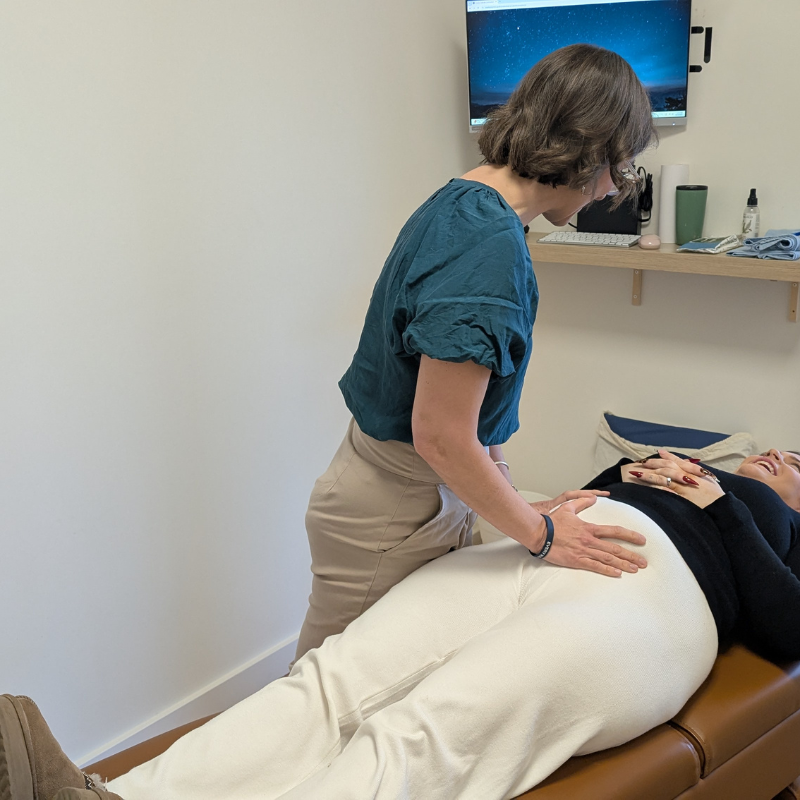
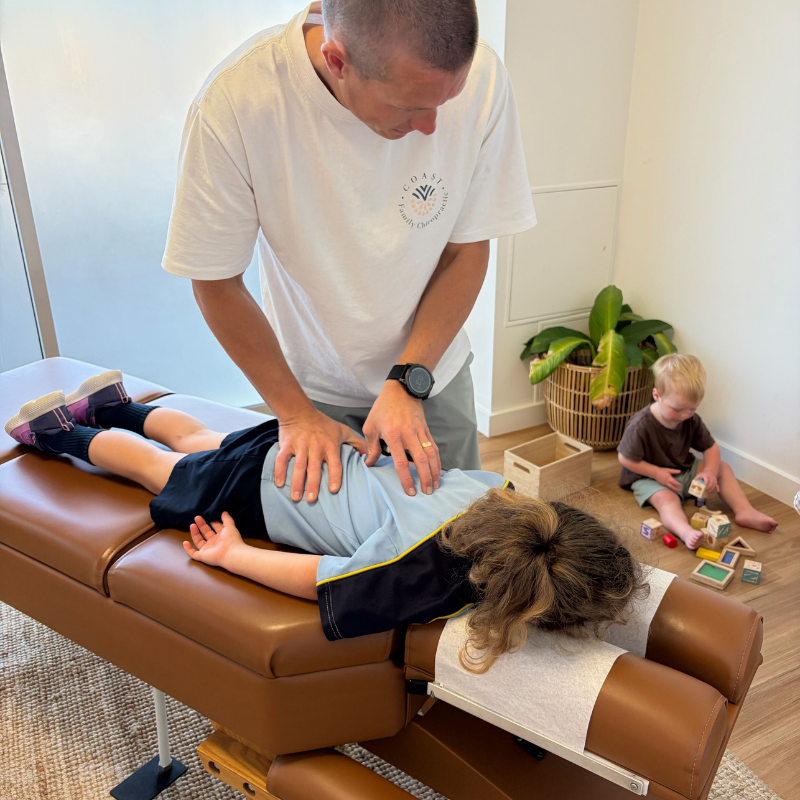
Neurologically-informed chiropractic care focuses on supporting healthy nervous system function. This care is gentle and precise, aiming to help the system adapt and function optimally. Some families notice improvements in sleep, digestion, behaviour, and resilience when nervous system function is supported — though individual results vary.
We use INSiGHT scanning technology to measure nervous system function, helping identify areas of stress or interference so care can be tailored. It’s about understanding the system rather than guessing.
Sleep Is the Foundation
When your child can access restorative sleep, everything else – learning, growth, immune function, and emotional regulation can follow more smoothly.
Your child’s struggle with sleep is rarely just behavioural. For some children, nervous system support may be an important piece of the puzzle.
If you’d like to explore ways to support your child’s nervous system and sleep, we’d love to help. Reach out to Coast Family Chiropractic to schedule an INSiGHT scan and discuss options for your family.
References:
- Sleep Health Foundation. (2026) Children, adolescents & parents. Sleep Health Foundation. Available at:https://www.sleephealthfoundation.org.au/sleep-categories/children-adolescents-parents Weiss, S.J.,
- Cooper, B. & Leung, C. (2024) Exposure to prenatal stressors and infant autonomic nervous system regulation of stress, Stress, 27(1), pp. 2327328. Available at:https://www.tandfonline.com/doi/full/10.1080/10253890.2024.2327328