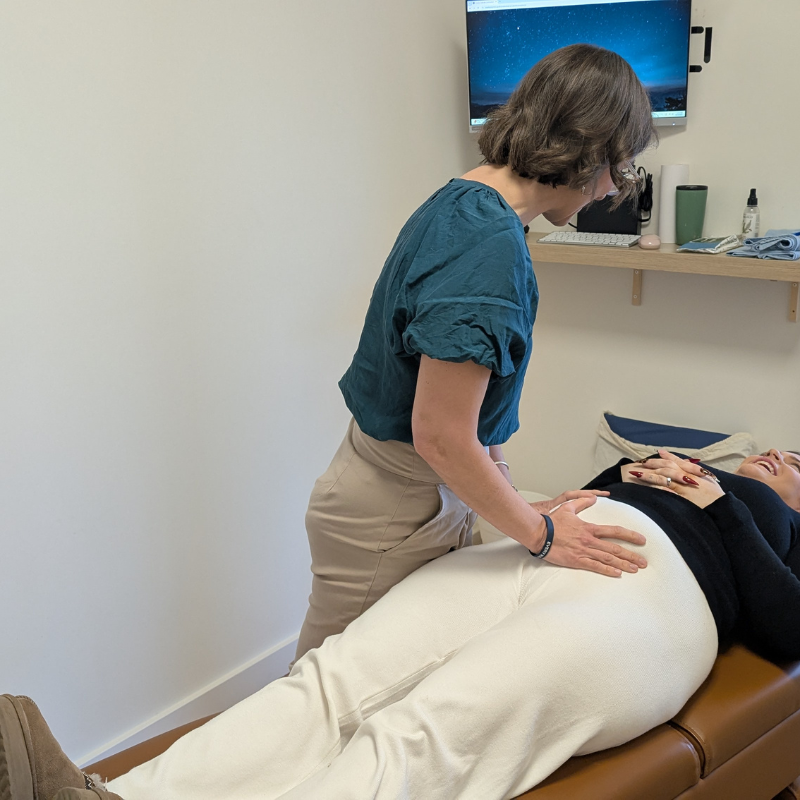
If you’re awake at 2 AM, worried about your baby, whether still in your womb or already here struggling with colic, reflux, sleep issues, or sensory sensitivities. You’re not alone. Many parents wonder why their baby reacts strongly to everyday stimuli, and what they can do to support development.
What many parents don’t hear is that stress during pregnancy can influence a baby’s developing nervous system. This isn’t about blame, it’s about understanding the factors that shape early nervous system regulation so you can support your child’s growth effectively.
Pregnancy In Modern Australia
Pregnancy today is highly monitored. In Australia, typical care includes multiple prenatal appointments, routine ultrasounds, blood tests, and sometimes gestational diabetes screening. For some pregnancies considered “high-risk,” non-stress tests or specialist reviews may also occur.
Research shows that prenatal stress can affect infants’ nervous system regulation. While exact figures vary, studies indicate that high maternal stress during pregnancy can influence infants’ autonomic responses, emotional regulation, and behaviour in early childhood (Bergman et al. 2019; Glover 2014).
How Stress Affects Your Baby’s Nervous System
Stress triggers the maternal hypothalamic-pituitary-adrenal (HPA) axis, increasing cortisol levels. Normally, the placenta converts active cortisol into inactive cortisone to protect the baby. However, chronic stress can sometimes overwhelm this system, allowing more active cortisol to reach the developing brain.
The baby’s nervous system is sensitive to these signals, shaping key structures:
- Amygdala: involved in fear and emotional reactivity
- Vagus nerve: regulates heart rate, breathing, digestion, and emotional state
- Hippocampus: learning and memory
- Prefrontal cortex: emotional regulation and executive function
- Neurotransmitter pathways: serotonin and dopamine systems
These patterns influence how the baby reacts to stress after birth and can affect digestion, sleep, self-soothing, and sensory processing.
Signs You Might Notice in Infancy and Childhood
- Startle responses and difficulty calming
- Colic, reflux, or constipation
- Frequent waking or short naps
- Sensory sensitivities to sound, texture, or light
- Big emotional reactions to small changes
These patterns may continue into early childhood as attention, learning, or emotional regulation challenges, and may appear differently as the child grows. Early support for nervous system regulation can help families understand and manage these responses.
The Role of INSiGHT Scans at Coast Family Chiropractic
At Coast Family Chiropractic, we offer INSiGHT neurological scans to provide families with educational insight into nervous system function. These scans are non-invasive and help you see patterns of nervous system activity.
- Heart Rate Variability (HRV) Scan: shows how the nervous system adapts to stress
- NeuroSpinal EMG Scan: identifies patterns of muscle tension along the spine
- NeuroThermal Scan: highlights general stress or tension patterns
These scans can help families visualise how the nervous system responds to stress and inform discussions with your child’s healthcare team about safe strategies to support development.
Discover Support at Coast Family Chiropractic
If you want to explore your child’s nervous system function or learn how stress may be affecting their early development, Coast Family Chiropractic can guide you through INSiGHT scanning. These scans are quick, non-invasive, and provide visual, educational insights into how the nervous system responds to stress.
You can then work with your healthcare team to explore safe, evidence-informed strategies to support your child’s regulation, behaviour, and overall wellbeing.
Contact us today.
References:
- Bergman, K, Sarkar, P, Glover, V 2019, ‘Maternal prenatal stress and infant neurodevelopment: a review’, Paediatric and Perinatal Epidemiology, vol. 33, no. 5, pp. 362–371, Maternal stress during pregnancy predicts cognitive ability and fearfulness in infancy – PubMed
- Glover, V 2014, ‘Maternal depression, anxiety and stress during pregnancy and child outcome; what needs to be done’, Best Practice & Research Clinical Obstetrics & Gynaecology, vol. 28, no. 1, pp. 25–35, Maternal depression, anxiety and stress during pregnancy and child outcome; what needs to be done – PubMed
- Australian College of Midwives 2025, Pregnancy care guidelines, Australian College of Midwives, Canberra, https://www.midwives.org.au/pregnancy-care-guidelines.