It’s frustrating when healthcare feels rushed or dismissive. Many parents sit through short appointments and feel their questions about their child’s development or health are brushed aside. You may have read studies, joined forums, and tried to piece together answers, only to feel unheard when asking about supportive or complementary approaches.
You deserve to be listened to. Your child deserves care that takes the full picture into account.
What Supportive Healthcare Should Look Like
Imagine walking into a clinic where the first priority isn’t prescribing or diagnosing, but listening carefully to your story. Not just for five minutes while entering notes, but really hearing your concerns, observations, and experiences.
Your insights about your child’s struggles, milestones, and responses are the most valuable information a practitioner can have. That kind of attention forms the foundation for any thoughtful care approach.
Considering the Whole Health Journey
Many traditional approaches focus only on immediate symptoms or the latest lab results. But a child’s health journey didn’t begin yesterday. The real clues often lie in:
- Fertility and pregnancy history
- Labour and birth experiences
- Early infant development
- Childhood milestones and environmental stressors
These factors may contribute to how a child’s nervous system is processing the world, and understanding them helps guide supportive care.
Understanding the Nervous System
The nervous system coordinates:
- Digestion and immune function
- Sleep patterns and mood
- Focus and behaviour
- Growth and development
- Responses to stress
Interference or ongoing tension in the nervous system can affect how a child responds to environmental or developmental challenges.
How Neurologically-Focused Chiropractic Care May Support Regulation
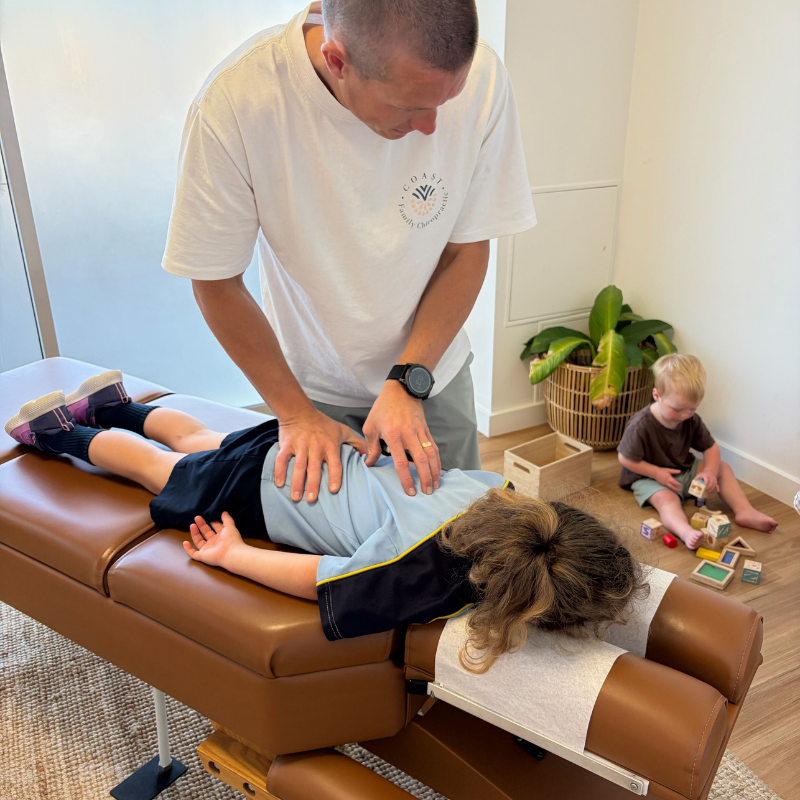
Neurologically-focused chiropractic care is not about quick fixes or simply “adjusting the back.” It is a gentle, child-appropriate approach that aims to support the nervous system by identifying areas of tension or imbalance.
Practitioners may use non-invasive tools, such as INSiGHT Scans, to gather additional information about nervous system function. These scans are painless and do not involve radiation. The information is used to guide personalised care, alongside input from other healthcare providers as appropriate.
What a Child-Centred Approach Might Include
- Listening first: Taking time to understand your child’s full health history, not just current symptoms.
- Reviewing the health timeline: Exploring pregnancy, birth, early infancy, and developmental milestones to see patterns that may influence the nervous system.
- Clear explanations: Ensuring parents understand the nervous system, the care approach, and what to expect.
- Using supportive technology: Non-invasive assessments like scans may provide information on tension patterns or areas where the nervous system may be under strain.
- Personalised plan: Creating a care plan that is unique to your child and family, informed by observations, assessments, and history.
Supporting Parents and Children
Parents often know when something feels off. Observations, research, and intuition are valuable. A collaborative, supportive care approach does not replace medical or allied health care, but may be one part of a broader strategy to support nervous system regulation.
You are not alone in advocating for your child. A practitioner who listens, considers the full picture, and uses non-invasive, supportive tools can help families feel informed and empowered.
Next Steps
If you are curious about whether this approach may be helpful for your child, you’re welcome to contact Coast Family Chiropractic to discuss it further.
Supporting your child’s nervous system is about understanding, observation, and appropriate care — not about rushing to interventions or promising specific outcomes.