Does this sound familiar? Your child suddenly covers their ears in a noisy café, has an unexpected meltdown at the supermarket, or becomes distressed by the tags in their clothing. As a parent, these moments can feel overwhelming and isolating. You may have been told these behaviours are “just behavioural” or that your child will grow out of them.
But for many families, these experiences raise an important question: could there be more happening within a child’s nervous system?
The Reality of Sensory Processing Challenges
If you’re reading this, chances are you’ve experienced the emotional weight of watching your child struggle with sensory overload. You’re not alone. Research suggests a growing number of children experience ongoing health or developmental challenges, with sensory processing difficulties being increasingly recognised by parents and health professionals alike.
For many children, sensory overload isn’t about poor behaviour or lack of discipline. It’s about how their nervous system is responding to the world around them.
Overstimulation: More Than Just Behaviour
When a child becomes overwhelmed, it can help to think of it like a traffic jam in their nervous system. Their brain may be receiving more sensory input than it can comfortably organise or regulate at once.
This isn’t simply a behavioural issue — it reflects how the brain and nervous system are functioning and adapting. When the system becomes overloaded, a child may struggle to cope with sounds, textures, movement, or busy environments.
The Autonomic Nervous System: A Key Player
Your child’s nervous system includes two main branches that help regulate responses to the environment:
- The sympathetic nervous system, often described as “fight or flight”
- The parasympathetic nervous system, often referred to as “rest and digest”
When a child experiences ongoing stress or overstimulation, their nervous system may spend more time in a heightened, alert state. When this happens, parents may notice patterns such as:
- Difficulty settling or sleeping
- Digestive discomfort
- Emotional dysregulation
- Increased sensitivity to sound, touch, or movement
These responses are not deliberate — they are the nervous system doing its best to protect and adapt.
The “Perfect Storm”: A Combination of Influences
- Sensory processing challenges often develop through a combination of factors rather than a single cause. These may include:
- Before birth:
Stress during pregnancy can influence how a developing nervous system adapts and responds after birth. This is not about blame — stress is a normal part of modern life — but understanding its role can be helpful. - During birth:
Some birth experiences, including prolonged labour or assisted deliveries (such as forceps, vacuum extraction, or caesarean birth), may place physical stress on a baby’s developing body and nervous system. - Early childhood:
Environmental demands, illness, developmental changes, or emotional stressors can further influence how a child’s nervous system learns to regulate and respond. - Together, these influences can contribute to how a child processes sensory information.
Signs Your Child May Be Overstimulated
Every child expresses sensory overload differently. Parents may notice a combination of:
Physical signs
- Headaches
- Nausea
- Unusual fatigue
Emotional signs
- Increased irritability
- Heightened anxiety
- Sudden emotional outbursts
Behavioural signs
- Difficulty focusing
- Frequent meltdowns
- Seeking quiet or withdrawal from stimulation
These signs are signals — not character flaws.
Supporting the Nervous System
Traditional approaches often focus on managing environments, avoiding triggers, or developing coping strategies. These can be very helpful. In addition, some families explore care options that aim to support nervous system regulation more broadly.
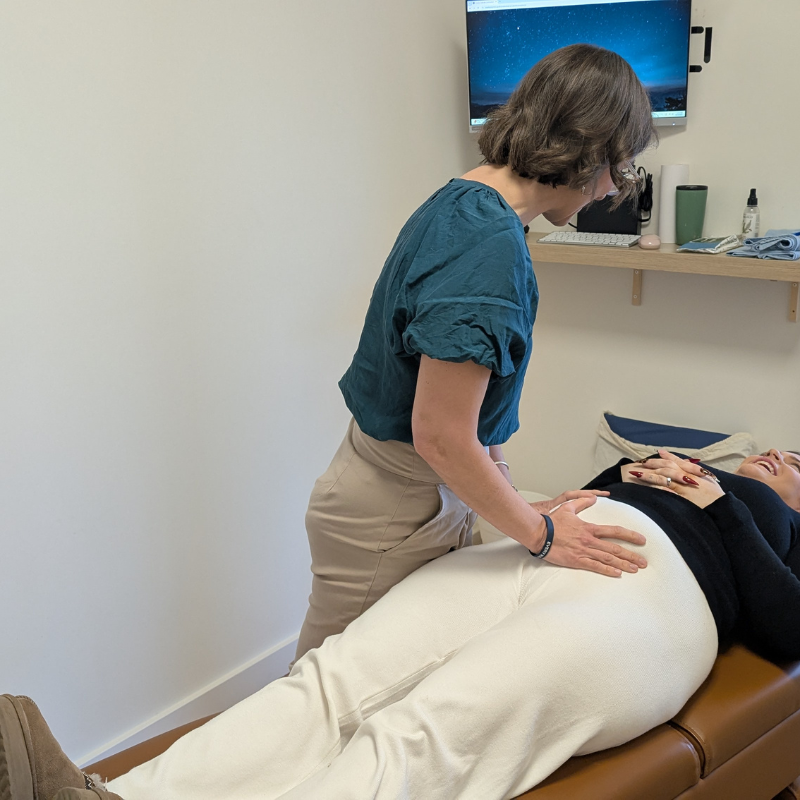
Neurologically-focused chiropractic care involves assessing how the nervous system and spine are functioning and identifying areas of tension or imbalance. Care is gentle, age-appropriate, and focused on supporting the body’s ability to regulate and adapt.
At Coast Family Chiropractic, we may use non-invasive assessments, such as nervous system scans, to better understand how a child’s nervous system is responding to stress. These assessments are comfortable and can often be done while a child sits on a parent’s lap. Findings are used to guide gentle care, tailored to the individual child.
Chiropractic care is not a replacement for medical or allied health support, but may be used alongside other professional care as part of a collaborative approach.
Moving Forward
Your child isn’t choosing to be overwhelmed. Their nervous system may simply be working harder to process the world around them. With the right understanding and support, many families find new ways to help their children feel calmer, more regulated, and more comfortable in everyday situations.
Most importantly, you are not alone. Many parents are navigating similar challenges, and support is available. If you’d like to learn more, you’re welcome to contact Coast Family Chiropractic to discuss whether this approach may be appropriate for your child.
Your child’s sensitivity is not a flaw — it’s part of how they experience the world. With compassionate, appropriate support, children can develop greater resilience and confidence as they grow.